

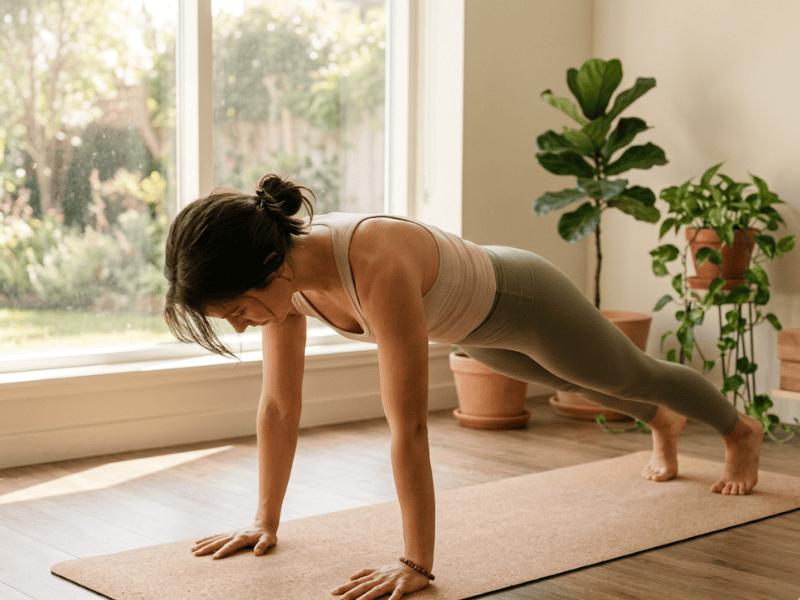
Summer is the season of longer days, soaring temperatures, and a body that needs extra care and attention. If you’re asking yourself should I do yoga in the morning or evening during summer? — you’re not alone. This is one of the most common questions yoga practitioners ask every year as the heat sets in.
The truth is, both morning and evening yoga have powerful benefits — but in summer, timing matters more than ever. Your body temperature, hydration levels, energy, and cortisol rhythms all shift with the season. Choosing the right time for your practice can be the difference between feeling energy and refreshed — or exhausted and drained.
In this guide, we’ll break down the complete morning vs evening yoga in summer debate, share expert-backed tips, sample routines, and help you find what works best for your body and lifestyle.
Why the Time of Your Yoga Practice Matters in Summer
During summer, your body naturally:
- Heats up faster due to higher ambient temperatures
- Loses more water through increased sweating
- Experiences fatigue sooner than in cooler months
- Has different cortisol rhythms — stress hormones peak in the early morning and gradually decline through the day
Your circadian rhythm — the body’s 24-hour internal clock — plays a major role here. It regulates hormone levels, body temperature, muscle stiffness, and energy. This means the time you step on the mat in summer directly influences how strong, flexible, and recovered you feel.
Practicing yoga at the wrong time — like during peak afternoon heat — can leave you feeling depleted instead of refreshed.
That’s why understanding when to do yoga in summer can help you:
- Maintain energy levels throughout the day
- Avoid overheating and heat-related fatigue
- Build a consistent, sustainable practice
- Get better results from every session
Morning Yoga in Summer — Benefits, Routine & Tips
Why Morning Is the Best Time for Yoga in Summer
Morning yoga is widely considered the best time to practice yoga in summer, and for good reason. The air is cooler, your mind is clear, and your body hasn’t yet absorbed the day’s heat. Early mornings — ideally before 8 AM — offer the perfect window to move, breathe, and set your intentions before the sun peaks.
5 Key Benefits of Morning Yoga in Summer
1. Keeps Your Body Cool and Comfortable Early morning temperatures are significantly lower, making it easier to flow through poses without overheating. This is especially beneficial in countries like India where summer temperatures can soar well above 35°C by mid-morning.
2. Boosts Energy and Mental Clarity for the Day A gentle 20–40 minute yoga session activates your nervous system, increases blood circulation, and boosts alertness — giving you sustained energy for yoga in summer mornings and beyond.
3. Supports Digestion and Internal Detox Practicing on an empty or lightly empty stomach stimulates your digestive system and can support the body’s natural cleansing processes — a beautiful way to start a summer day.
4. Builds Stronger Consistency Morning routines are notoriously easier to stick to. Fewer distractions, a fresh mind, and the discipline of rising early all contribute to building a consistent summer yoga routine.
5. Regulates Cortisol Naturally Morning yoga — especially breathwork (pranayama) — helps regulate elevated morning cortisol levels, reducing stress and setting a calm, focused tone for the rest of your day. (Read our blog on Cortisol Detox: Can Yoga Really Reduce Stress Hormones? to learn more!)
Best Types of Morning Yoga in Summer
In summer, choose cooling and gentle practices over intense or heat-building ones:
- Slow Sun Salutations (Surya Namaskar) — at a gentle, meditative pace
- Pranayama (breathing exercises) — Sheetali (cooling breath) and Nadi Shodhana (alternate nostril breathing) are especially ideal for summer
- Gentle morning stretches — hips, spine, and shoulders
- Cooling yoga poses — Child’s Pose, Seated Forward Bend, Legs Up the Wall
- Short meditation — to anchor your focus for the day
Avoid: Bikram yoga, intense vinyasa, or any heat-generating practice in the morning heat.
Sample Morning Yoga Routine for Summer (30 Minutes)
| Duration | Practice |
|---|---|
| 5 minutes | Deep breathing — Sheetali or Nadi Shodhana Pranayama |
| 8 minutes | Gentle full-body stretches — neck, shoulders, spine |
| 10 minutes | Slow Sun Salutations (3–5 rounds, mindful pace) |
| 5 minutes | Cooling poses — Child’s Pose, Seated Forward Fold |
| 2 minutes | Savasana / short rest |
This gentle routine takes just 30 minutes and sets a beautiful, energized tone for your summer day.
When Morning Yoga Might Not Work for You
Morning yoga is wonderful — but it may not suit everyone. Consider skipping it if:
- You’re not a natural morning person and feel too stiff or groggy to enjoy it
- Your schedule is genuinely packed before 9 AM
- You’re recovering from illness or fatigue
- You live in a city where early morning air quality is poor
In these cases, evening yoga is your ideal alternative.
Evening Yoga in Summer — Benefits, Routine & Tips
Why Evening Yoga Is a Powerful Practice in Summer
Evening yoga — practiced between 6 PM and 8 PM — is a beautiful complement to summer days. By this time, the harsh heat has subsided, your muscles are naturally more warmed up and flexible, and your body is ready to shift from active mode to rest mode.
5 Key Benefits of Evening Yoga in Summer
1. Releases the Day’s Stress and Tension After a long, hot summer day, yoga helps release physical tension held in the shoulders, hips, and lower back. It signals to your nervous system that it’s safe to relax. This is especially valuable in 2026, as yoga for mental health and nervous system regulation has become a top wellness priority.
2. Natural Muscle Flexibility is Higher Your body temperature is naturally elevated in the evening compared to the morning, which means your muscles are more pliable, stretching is easier, and you’re less likely to experience stiffness or strain.
3. Supports Deep, Restful Sleep on Hot Nights A calming evening yoga session 1–2 hours before bedtime can significantly improve sleep quality — crucial during summer when hot nights make rest difficult. Our blog on Yoga for Better Sleep: Night Routine That Works Naturally dives deeper into this.
4. Reduces Anxiety and Calms the Nervous System Evening yoga activates the parasympathetic nervous system (your “rest and digest” mode), helping to lower cortisol, calm the mind, and ease anxiety built up through the day.
5. Perfect for Mindful Reflection Evening practice gives you time to process your day, reconnect with your breath, and move with intention — something that feels especially nourishing during the often-chaotic summer holiday season.
Common Summer Yoga Mistakes to Avoid
- Practicing hot or intense yoga during summer afternoons
- Skipping hydration before or after your session
- Doing yoga immediately after a heavy meal
- Ignoring signs of heat exhaustion — dizziness, nausea, heavy sweating
- Jumping into long, intense sessions without warming up properly
- Skipping Savasana — rest is especially important in summer to let the body recover
Frequently Asked Questions — Morning vs Evening Yoga in Summer
Q1: Is morning or evening yoga better in summer?
Morning yoga is generally safer and more energizing in summer because temperatures are cooler. However, evening yoga is better for flexibility, stress relief, and improving sleep during hot nights. The best choice depends on your personal goals and schedule.
Q2: What time should I do yoga in summer in India?
In India, the ideal summer yoga times are before 8 AM in the morning or after 6 PM in the evening. The afternoon heat between 12 PM and 4 PM should always be avoided.
Q3: What type of yoga is best for summer?
Cooling practices like Yin Yoga, gentle Hatha, Restorative Yoga, and Pranayama (especially Sheetali breath) are ideal for summer. Avoid hot yoga, intense Vinyasa, or any practice that significantly raises body heat.
Q4: How long should I practice yoga in summer?
20–40 minutes is ideal for morning sessions. 30–45 minutes works well for evening sessions. Shorter, consistent, mindful sessions are far more beneficial in summer than long, exhausting ones.
Start Your Summer Yoga Journey with Rashmi
Whether you’re a complete beginner stepping onto the mat for the first time or an experienced practitioner looking to deepen your summer practice, Yogalates with Rashmi has a course for every goal and every body.
Explore these courses perfect for your summer yoga routine:
- Beginner Yogalates Course — ideal for gentle morning summer sessions
- Restore & Relax Course — perfect for calming evening practices
- 21 Days Yogalates Challenge — build a consistent habit this summer
- 12 Week Fitness Project — for a complete body transformation through summer
- Live Sessions — practice in real-time with Rashmi every week
Related Blogs You'll Love
Continue your yoga journey with these helpful reads:
- How Yogalates is Transforming Modern Fitness Routines in 2026
- Yoga for Better Sleep: Night Routine That Works Naturally
- Cortisol Detox: Can Yoga Really Reduce Stress Hormones?
- What is Yogalates? Benefits, Differences & Beginner Guide (2026)
- 15-Minute Full Body Yogalates Workout for Weight Loss
- Best Yoga Routine for Blood Pressure Control