

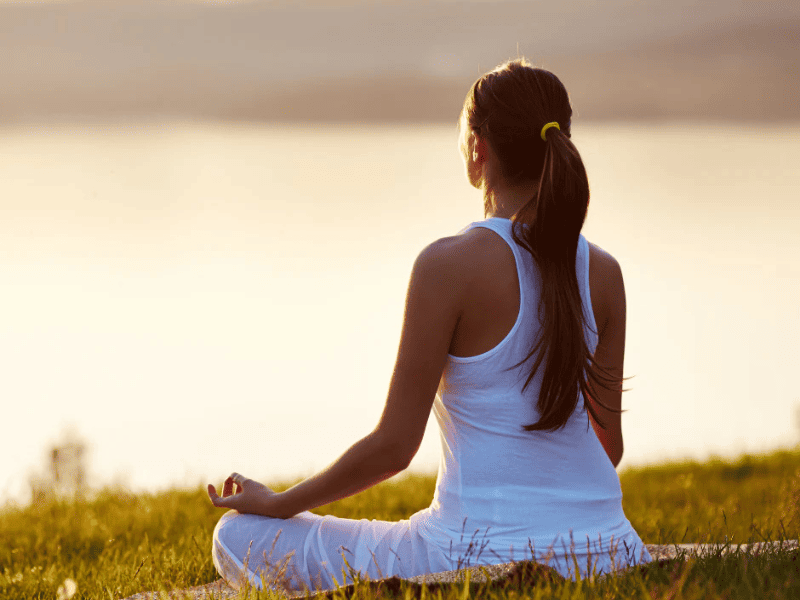
The fitness world is going through its biggest shift in decades. In 2026, people are no longer chasing six-pack abs through punishing gym sessions or unsustainable crash diets. They’re choosing something smarter — movement practices that build genuine strength, protect mental health, and actually feel good to do consistently.
Enter Yogalates.
A powerful fusion of yoga’s mindfulness and flexibility with Pilates’ core strength and controlled movement, Yogalates has quietly become one of the fastest-growing fitness approaches worldwide. <according to a 2026 CivicScience survey, yoga and Pilates combined saw the single largest increase of any workout category — jumping four percentage points in regular practice in just one year.>
At Yogalates with Rashmi, we’ve seen this transformation firsthand. Students who once struggled to touch their toes are now building deep core strength, managing stress, and sleeping better — all through one consistent, sustainable practice.
In this guide, you’ll discover exactly what Yogalates is, why it’s dominating the 2026 fitness landscape, and how you can start your own journey today.
What Exactly Is Yogalates?
Yogalates is a hybrid fitness method that intelligently combines yoga and Pilates into one seamless, whole-body workout. Rather than choosing between flexibility and strength, Yogalates gives you both — along with the mental clarity and breathwork that neither discipline offers completely on its own.
Here’s what each element brings to the practice:
From Yoga:
- Deep stretching and flexibility
- Mindful breathing (Pranayama)
- Mind-body awareness and meditation
- Stress reduction and nervous system regulation
From Pilates:
- Core strength and stability
- Spinal alignment and posture correction
- Controlled, precise movements
- Pelvic floor and deep muscle activation
Together, they create a workout that is low-impact but deeply effective — challenging enough to build real results, gentle enough to do daily without breaking down your body.
Yogalates was originally developed in the 1990s and has evolved significantly since then. Today, modern Yogalates — like the approach taught by Rashmi Ramesh — integrates the latest understanding of functional movement, breathwork, and sustainable fitness to create routines that work for real people with real lives.
Why Yogalates Is Exploding in 2026 — 5 Big Reasons
1. The Hybrid Fitness Movement Is Taking Over
The single biggest fitness trend of 2026 is hybrid training — combining multiple movement styles into one effective, balanced routine. People no longer want to specialize in just cardio or just weights. They want workouts that build strength, mobility, and mental resilience at the same time.
Yogalates is the original hybrid fitness method. It was doing this long before the trend had a name. As the fitness world finally catches up to what Yogalates practitioners have known for years, demand is surging.
2. Mental Health Has Become a Fitness Priority
In 2026, the most common reason people exercise isn’t aesthetics — it’s mental health. Stress, burnout, anxiety, and sleep issues are driving people toward movement practices that calm the nervous system, not spike it further.
Yogalates is uniquely positioned here. The combination of breathwork, mindful movement, and progressive physical challenge creates a workout that simultaneously strengthens the body and regulates the nervous system. This is why students frequently report that their Yogalates practice feels like “therapy on the mat.”
3. Online Fitness Has Made Yogalates Globally Accessible
The rise of high-quality online fitness platforms means you no longer need a studio in your city to access expert-led Yogalates training. Platforms like Yogalates with Rashmi have made it possible for students across India and around the world to learn directly from experienced instructors — at home, on their schedule, with no commute.
This accessibility has been a major driver of Yogalates’ growth, especially in India where quality yoga-Pilates fusion instruction was previously hard to find outside major metros.
4. People Are Tired of Burnout Fitness Culture
The era of “no pain, no gain” is ending. High-intensity workouts that leave you exhausted, injured, or dreading your next session are losing favor — especially among working professionals, mothers, and people over 35 who need fitness to support their lives, not dominate them.
Yogalates offers a sustainable alternative. Sessions leave you feeling energized rather than depleted. Results come through consistency over months, not punishment over weeks. This is fitness designed for the long game.
5. Yoga & Pilates Is the 1 Growing Fitness Category
According to 2026 fitness trend data, yoga and Pilates combined represent the fastest-growing workout category globally — surpassing HIIT, strength training, and running in growth rate. The Pilates industry alone saw consistent year-on-year growth, with studios expanding and online platforms hitting record enrollment numbers.
Yogalates sits perfectly at the intersection of both trends, capturing students from both communities.
The 4 Biggest Benefits of Yogalates (Backed by Practice)
1. Builds Deep, Functional Core Strength
Yogalates targets not just your visible abs but the deep stabilizing muscles — transverse abdominis, pelvic floor, and spinal erectors — that support every movement in your daily life. This kind of core strength improves posture, prevents back pain, and makes everything from sitting at a desk to carrying groceries feel easier.
Our Twist & Tone Course is specifically designed for deep core activation through Yogalates movements.
2. Reduces Stress and Regulates the Nervous System
Every Yogalates session incorporates conscious breathing and mindful movement. This activates the parasympathetic nervous system (your “rest and digest” mode), lowers cortisol levels, and creates measurable reductions in stress and anxiety. This is not just a side benefit — it’s one of the primary reasons practitioners keep coming back.
Read more in our blog: Cortisol Detox: Can Yoga Really Reduce Stress Hormones?
3. Supports Healthy Weight Management
While Yogalates isn’t designed as a calorie-burning workout, it is highly effective for body composition changes over time. It builds lean muscle (which boosts metabolism), improves digestion, reduces stress-driven eating, and increases body awareness — all of which support healthy, sustainable weight management.
Explore our Sweat & Burn Course for a more active, calorie-burning Yogalates experience.
4. Improves Sleep Quality
Yogalates — especially when practiced in the evening — is one of the most effective tools for improving sleep quality. The combination of physical movement, breathing, and relaxation prepares the body and mind for deep, restorative rest. This is especially valuable in 2026, where poor sleep has become a widespread health crisis.
Read: Yoga for Better Sleep: Night Routine That Works Naturally
Yogalates vs Other Workouts — How Does It Compare?
| Feature | Gym Workout | Traditional Yoga | Pilates | Yogalates |
|---|---|---|---|---|
| Core Strength | High | Medium | High | High |
| Flexibility | Low | High | Medium | High |
| Stress Relief | Low | High | Medium | High |
| Beginner Friendly | Not always | Yes | Yes | Yes |
| Equipment Needed | Yes | No | Sometimes | No |
| Mind-Body Connection | Low | High | Medium | High |
| Sustainable Long-Term | Medium | High | High | High |
| Good for Back Pain | Risk of worsening | Yes | Yes | Yes |
Yogalates wins across the most important categories for modern fitness goals — especially sustainability, stress relief, and full-body benefit without equipment.
How to Start Your Yogalates Practice — A Step-by-Step Guide
Step 1 — Choose the Right Starting Point for Your Level
If you’re new to fitness or returning after a break → Beginner Yogalates Course
If you have some yoga or Pilates experience → Intermediate Yogalates Course
If you want a structured 3-month transformation → 12 Week Fitness Project
Step 2 — Set a Realistic, Consistent Schedule
The sweet spot for Yogalates results is 4–5 sessions per week, 20–40 minutes each. This is far more effective than sporadic longer sessions. Consistency beats intensity every time.
A sample week might look like:
- Monday: Core-focused Yogalates (30 min)
- Tuesday: Rest or gentle stretching
- Wednesday: Strength + flexibility flow (40 min)
- Thursday: Breathwork + restorative session (25 min)
- Friday: Full body Yogalates flow (35 min)
- Weekend: One active session or rest as needed
Step 3 — Master the Breath First
Everything in Yogalates flows from the breath. Before you focus on getting poses “right,” focus on breathing deeply, consciously, and consistently throughout your practice. This is what separates Yogalates from a generic workout and activates the mind-body benefits.
Step 4 — Track How You Feel, Not Just How You Look
The most meaningful Yogalates results aren’t always visible in the mirror first. Notice your energy levels, sleep quality, back pain, stress levels, and mood. These internal improvements often precede visible physical changes and keep you motivated through the early weeks.
Step 5 — Join Live Sessions for Accountability
Real-time feedback and community energy make an enormous difference in consistency and technique. Our weekly Live Sessions with Rashmi keep you accountable and allow for personalized corrections.
Start Your Yogalates Journey with Rashmi Today
Rashmi Ramesh is one of India’s most trusted Yogalates educators, with a global online community of thousands of students. Her courses are designed to meet you exactly where you are — no fitness background required.
Choose the course that’s right for you:
- Beginner Yogalates Course — Start from scratch with confidence
- Intermediate Yogalates Course — Deepen your practice and build strength
- Sweat & Burn Course — Active, energizing Yogalates for calorie burn
- Restore & Relax Course — For stress relief, sleep, and nervous system
- 21 Days Yogalates Challenge — Build the habit in 21 days
- Live Sessions — Practice live with Rashmi every week
Frequently Asked Questions About Yogalates
Q1: What is Yogalates and how is it different from yoga?
Yogalates combines yoga (flexibility, breathing, mindfulness) with Pilates (core strength, controlled movement, posture correction) into one complete workout. Unlike traditional yoga, Yogalates has a stronger focus on core activation and functional strength. Unlike Pilates, it incorporates breathwork, meditation, and deeper stretching.
Q2: Is Yogalates good for complete beginners?
Yes — Yogalates is one of the most beginner-friendly fitness methods available. It requires no prior experience, no special equipment, and can be modified for any fitness level. Our Beginner Yogalates Course is specifically structured to take you from day one with clear instruction and achievable progressions.
Q3: How many days a week should I do Yogalates?
For best results, practice Yogalates 4–5 days per week for 20–40 minutes per session. This consistency is more important than session length. Even 20 minutes daily will produce significant results within a few weeks.
Q4: Can Yogalates help me lose weight?
Yogalates supports healthy weight management through multiple pathways — building lean muscle mass that boosts metabolism, reducing cortisol (stress-driven weight gain), improving digestion, and increasing body awareness. It’s not a high-calorie-burn workout, but combined with a balanced diet it’s very effective for sustainable body composition changes.
Q5: Can I do Yogalates at home without any equipment?
Completely. All you need is a yoga mat and enough space to stretch your arms out. This is one of Yogalates’ greatest advantages — it’s fully accessible without a gym, equipment, or studio membership.
Q6: How quickly will I see results from Yogalates?
Most students notice internal improvements (better sleep, less stress, more energy) within 2–3 weeks. Visible physical changes — improved posture, muscle tone, flexibility — typically appear within 4–8 weeks of consistent practice. Full transformation takes 3 months or more.
Q7: Is Yogalates safe during pregnancy?
Modified Yogalates can be safe and beneficial during pregnancy, but should be done under guidance of a qualified instructor. Rashmi offers a dedicated Prenatal Yoga Course specifically designed for each trimester.
More Blogs You'll Love
Continue your Yogalates learning with these related reads: