

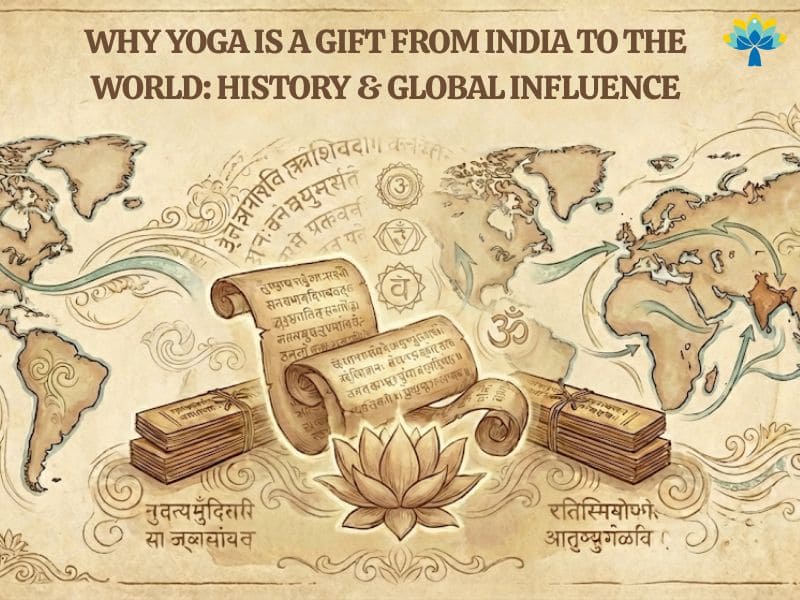
Every year on 26th January – Republic Day, we celebrate India’s strength, values, and rich heritage. Beyond monuments, languages, and traditions, India has gifted the world something timeless and deeply healing—Yoga.
Yoga is not just a form of exercise. It is a way of life that was born on Indian soil and has traveled across borders, cultures, and generations—touching millions of lives around the world.
The Roots of Yoga: Born in Ancient India
Yoga originated in India more than 5,000 years ago. It was developed by ancient sages who understood the deep connection between the body, mind, and breath.
Early references to yoga can be found in:
- The Vedas
- The Upanishads
- The Bhagavad Gita
- Patanjali’s Yoga Sutras
For centuries, yoga was practiced as a spiritual and meditative discipline—designed to help individuals live in harmony with themselves and the world around them.
Yoga Was Never Just Physical
In its original form, yoga was not about flexibility or fitness. It was about:
- Self-awareness
- Mental discipline
- Emotional balance
- Inner peace
Postures (asanas) were only one part of a much larger system that included breath control (pranayama), meditation (dhyana), and ethical living.
This holistic approach is what makes yoga so powerful—even today.
How Yoga Traveled from India to the World
In the late 19th and early 20th centuries, Indian yogis began sharing yoga with the world. Great teachers like Swami Vivekananda, Paramahansa Yogananda, and later B.K.S. Iyengar and Pattabhi Jois, introduced yoga to the West.
What started as a spiritual practice slowly evolved into a global wellness movement.
Today, yoga is practiced in:
- Homes and studios
- Schools and hospitals
- Corporate offices and fitness centers
Yet, its heart still belongs to India.
Why the World Embraced Yoga
People across the globe turned to yoga because it offers something modern life often lacks:
- Calm in chaos
- Strength without aggression
- Discipline with compassion
Yoga helps people:
- Reduce stress and anxiety
- Improve physical health
- Cultivate mindfulness and balance
- Reconnect with themselves
In a fast-paced world, yoga teaches the art of slowing down.
Yoga Today: A Global Symbol of Wellness
From New York to Tokyo, London to Sydney, yoga mats are rolled out every day. The United Nations even recognized yoga’s universal appeal by declaring 21st June as International Day of Yoga—an initiative led by India.
This moment made it clear:
Yoga is not just India’s heritage—it is India’s gift to humanity
Why Yoga Matters More Than Ever
In times of stress, uncertainty, and digital overload, yoga reminds us to:
- Breathe consciously
- Move mindfully
- Live with awareness
Its message is simple, yet profound:
True strength comes from balance—within and beyond.
Republic Day: Honoring India’s Wisdom
On Republic Day, as we honor India’s constitution and freedom, let us also honor the ancient wisdom that continues to guide the world toward health and harmony.
Yoga stands as a quiet yet powerful reminder of India’s contribution—not through force, but through peace, balance, and self-realization.
Experience Authentic Yoga from India – Start Your Guided Practice Today
Yoga, rooted in India’s ancient wisdom, continues to support holistic health in modern life. Its benefits extend beautifully into women’s wellness, especially during pregnancy—learn more in our Prenatal Yoga: A Complete Trimester-Wise Guide for Pregnancy. To experience authentic yoga from home, you can explore Rashmi’s guided online yoga and Yogalates programs, inspired by traditional Indian yoga practices. If you’re new to yoga, our guide on How to Create a Safe Yoga Routine at Home will help you start safely and confidently.
Frequently Asked Questions
1. Why is yoga considered a gift from India to the world?
Yoga originated in ancient India and was developed as a holistic system for physical, mental, and spiritual well-being. Over thousands of years, it evolved as a way of life rooted in mindfulness, balance, and self-awareness. When yoga spread globally, it offered the world a timeless tool for health, peace, and inner harmony—making it one of India’s most meaningful gifts to humanity.
2. Is yoga only a physical exercise?
No. Yoga was never meant to be just physical exercise. While asanas (postures) are one aspect, traditional yoga also includes breath control (pranayama), meditation (dhyana), ethical living, and self-discipline. Together, these elements help create balance between the body, mind, and emotions. To know more interesting facts how yoga can boost your memory and thinking skills.
3. How did yoga spread from India to other countries?
Yoga spread globally through Indian spiritual teachers and yogis such as Swami Vivekananda, Paramahansa Yogananda, and later yoga masters like B.K.S. Iyengar and Pattabhi Jois. Their teachings introduced yoga philosophy and practice to the West, where it gradually became a global wellness movement.
4. Why is yoga still relevant in today’s modern lifestyle?
Modern life often brings stress, anxiety, sedentary habits, and digital overload. Yoga helps counter these challenges by encouraging mindful movement, conscious breathing, and mental calm. It teaches people how to slow down, reconnect with themselves, and maintain balance—making it more relevant than ever.
5. Why is International Yoga Day celebrated on 21st June?
International Yoga Day was established by the United Nations to recognize yoga’s universal benefits. The initiative was led by India, highlighting yoga’s global impact while honoring its Indian roots. The day symbolizes unity, wellness, and shared human values.
Republic Day: Honoring India’s Wisdom
Yoga is more than an ancient tradition—it is a living legacy that continues to guide the world toward balance, health, and inner peace. From its roots in ancient Indian scriptures to its presence in modern homes and studios worldwide, yoga has quietly transformed lives across cultures and generations.
On this Republic Day, as we celebrate India’s freedom, constitution, and unity, let us also take pride in the wisdom India has shared with the world. Yoga reflects the true strength of our heritage—not through power or force, but through peace, awareness, and harmony.
Yoga may now belong to the world, but its heart will always remain in India.
Happy Republic Day
May we continue to breathe consciously, move mindfully, and live with awareness—just as yoga teaches us.