

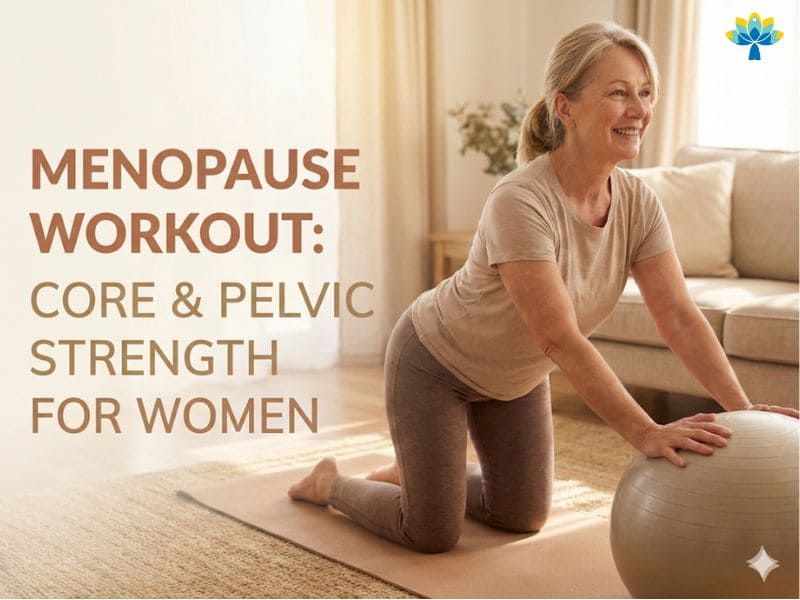
Menopause is a natural phase in a woman’s life, but the physical changes it brings can feel overwhelming. Hormonal shifts during perimenopause and menopause often lead to reduced muscle strength, joint stiffness, weight gain around the abdomen, pelvic floor weakness, and lower back discomfort. During this stage, many women feel unsure about how to exercise safely.
This is where a beginner friendly menopause workout becomes essential. Instead of intense or high-impact routines, women need gentle, effective movement that builds core and pelvic strength, supports hormonal balance, and protects joints. The right workout can help women feel strong, stable, and confident in their bodies again.
Why Exercise Needs to Change During Menopause
As estrogen levels decline, the body responds in several ways:
- Loss of muscle mass and strength
- Reduced bone density
- Increased joint sensitivity
- Slower recovery
- Changes in posture and balance
Traditional workouts that once felt easy may suddenly cause pain, fatigue, or pelvic discomfort. This doesn’t mean women should stop exercising—it means they should exercise smarter.
A menopause workout should focus on:
- Stability over speed
- Strength over strain
- Consistency over intensity
The Importance of Core Strength During Menopause
The core is the body’s central support system. It includes the deep abdominal muscles, lower back, diaphragm, and pelvic floor. During menopause, core weakness can contribute to:
- Lower back pain
- Poor posture
- Reduced balance
- Difficulty with daily movements
A menopause workout for core strength focuses on activating deep muscles gently, using breath and controlled movement rather than crunches or high-impact exercises.
Strengthening the core helps women:
- Move with ease
- Protect the spine
- Improve balance and coordination
- Feel more stable and supported
Pelvic Floor Health: Why It Matters More Than Ever
The pelvic floor is often overlooked until symptoms appear. Hormonal changes during menopause can weaken pelvic muscles, leading to:
- Urinary leakage
- Pelvic heaviness
- Reduced core support
- Lower confidence in movement
Many women think pelvic floor exercises mean aggressive squeezing, but that can actually worsen symptoms. A beginner friendly menopause workout focuses on gentle pelvic activation, coordinated with breathing and posture.
This approach improves pelvic support without creating pressure or strain.
Why High-Impact Workouts Are Not Ideal During Menopause
High-impact exercises such as jumping, running, or heavy lifting can increase pressure on joints and the pelvic floor. For menopausal women, these workouts may:
- Increase knee and back pain
- Aggravate pelvic floor issues
- Raise cortisol levels
- Lead to burnout and fatigue
Low-impact movement, such as yoga inspired workouts and Yogalates, provides strength without stress. These workouts are easier to sustain long-term and support overall hormonal health.
What Makes This Menopause Workout Beginner-Friendly?
This workout is designed for women at all fitness levels, especially beginners. It is ideal if you:
- Are new to exercise
- Haven’t worked out in years
- Experience joint stiffness
- Have pelvic floor concerns
- Feel low energy or overwhelmed
Key features include:
- Slow, controlled movements
- No jumping or fast transitions
- Clear alignment and posture cues
- Breath-led core engagement
This makes it safe, effective, and confidence-building.
How Gentle Yoga Supports Menopause Fitness
Yoga-based menopause workouts are especially beneficial because they combine movement with breath awareness. Gentle yoga helps to:
- Reduce stress and anxiety
- Improve flexibility and mobility
- Strengthen muscles without impact
- Support better sleep
- Calm the nervous system
When the nervous system is calm, the body responds better to exercise, recovery, and hormonal changes.
This beginner-friendly menopause workout uses gentle yoga and Yogalates principles to support the body holistically.
Benefits of a Beginner-Friendly Menopause Workout
With regular practice, women may experience:
- Improved core and pelvic strength
- Better posture and balance
- Reduced lower back discomfort
- Increased confidence in movement
- Improved body awareness
- Enhanced overall well-being
The goal is not to “push through” menopause, but to move with awareness and care.
How Often Should Women Practice Menopause Workouts?
For best results:
- Practice 3–5 times per week
- Keep sessions between 20–40 minutes
- Focus on consistency, not perfection
Even short, regular sessions can make a noticeable difference in strength, comfort, and energy levels.
Who Can Benefit From This Workout?
This workout is suitable for:
- Women in perimenopause
- Women experiencing menopause
- Postmenopausal women
- Women returning to fitness after a long break
Age or experience level does not matter—supportive movement is beneficial at every stage.
Tips to Get the Most Out of Your Menopause Workout
- Move slowly and mindfully
- Avoid holding your breath
- Stop if you feel pain (not effort)
- Use props like cushions or blocks if needed
- Listen to your body daily
Menopause is not a one-size-fits-all experience, so your workout should adapt to how you feel each day.
Strengthen Your Core & Pelvic Floor with a Safe Menopause Workout
Menopause brings unique changes to a woman’s body, making gentle and targeted movement essential. A beginner-friendly menopause workout focused on core and pelvic floor strength can improve stability, posture, and confidence. For structured support, you can explore Rashmi’s guided menopause workout programs, designed specifically for women seeking safe, low-impact exercise at home.
Frequently Asked Questions
1. What is the best workout for menopause beginners?
Low-impact workouts that focus on core strength, pelvic floor support, and gentle movement are best for menopause beginners.
2. Can menopause workouts help with pelvic floor issues?
Yes. Gentle, breath-led exercises help strengthen the pelvic floor safely without creating excess pressure.
3. How long does it take to see results from menopause workouts?
With consistent practice, many women notice improvements in strength, posture, and comfort within a few weeks.
4. Is yoga safe during menopause?
Yes. Gentle yoga is one of the safest and most effective forms of exercise during menopause when practiced mindfully.
5. Should menopausal women avoid intense workouts?
High-intensity workouts may not suit everyone during menopause. Low-impact, supportive movement is often more beneficial.
Conclusion
Menopause is a powerful transition, not a limitation. Choosing a beginner-friendly menopause workout that builds core and pelvic strength allows women to move through this phase with confidence, stability, and ease.
Gentle, intentional movement supports the body’s changing needs and helps women feel strong from the inside out. When exercise feels supportive instead of exhausting, consistency becomes effortless—and true strength follows.